English
 Español
 Русский
 Français
Essential Guide For Valve Maintenance: Correct Installation Direction And Position Of Metal-seated Ball Valves
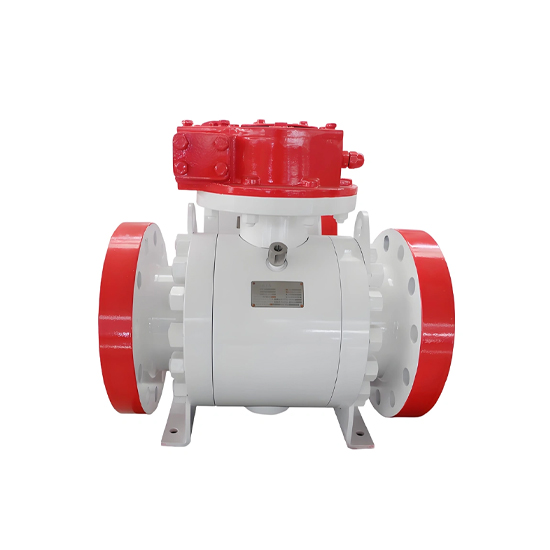
Proper installation of a metal seated ball valve depends entirely on the flow arrow indicator cast onto the valve body. Unlike standard bidirectional designs, these industrial components are strictly unidirectional. Installing them against the designated flow direction causes immediate sealing failure and severe internal leakage when exposed to line pressure.
Positioning requirements
Horizontal pipelines offer the most stable environment for a ball valve metal setup. The valve stem must point vertically upward to prevent debris accumulation inside the packing area. Operating heavy-duty valves in inverted positions accelerates wear and increases the risk of dangerous chemical or steam leaks during routine operations.
Special Pipeline Configurations
Vertical pipelines require specific attention to gravitational forces acting on the fluid. Fluid must travel from the bottom upward, ensuring the system pressure actively pushes the ball against the downstream seat. This precise orientation guarantees a reliable seal, especially when utilizing a metal seat ball valve high temperature configuration.
Multi-Port Valve Orientations
Complex piping networks often require a 3 way metal seated ball valve to divert or mix aggressive media. The installation geometry for these multi-port units demands strict alignment with the specific port designation map. Misalignment blocks crucial flow paths and creates dead zones where corrosive fluids accumulate over time.
Installation Steps
-
Clean connecting pipe flanges thoroughly to remove welding slag and pipe scale.
-
Verify the flow arrow aligns exactly with the intended fluid path.
-
Tighten mounting bolts utilizing a standard staggered cross-pattern sequence.
-
Execute a zero-pressure mechanical test stroke before introducing operational line pressure.
These procedural steps prevent mechanical binding and ensure long-term operational integrity across complex industrial piping networks.