English
 Español
 Русский
 Français
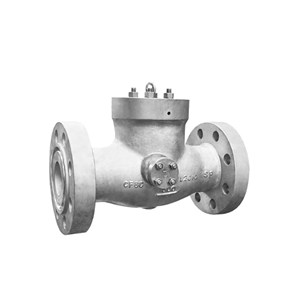
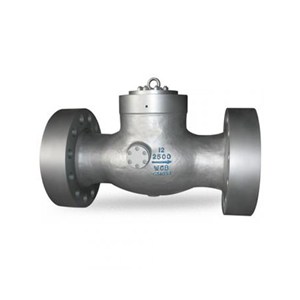
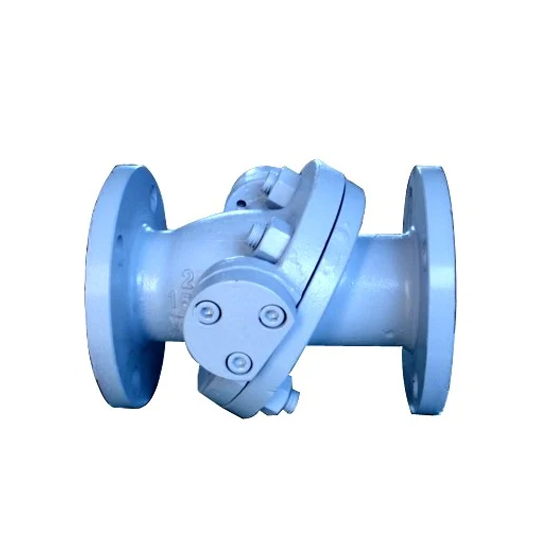
ASTM A216 WCB Tilting Disc Check Valve, 2 Inch, 150 LB, RF
- Product Name:
- ASTM A216 WCB Tilting Disc Check Valve
- Design Standard:
- ASME B16.34
- Body Material:
- ASTM A216 WCB
- Size:
- 2 Inch
- Pressure:
- Class 150 LB
- End Connection:
- RF Flanged
Key Specifications / Features
Our plant manufactures Carbon Steel Tilting Disc Check Valves in compliance with ASME B16.34 standards. These valves feature a durable ASTM A216 WCB body, available in a 2-inch (DN50) size with a Class 150 LB (PN20) pressure rating. They are equipped with RF flanged ends for secure and reliable connections, ensuring efficient backflow prevention in various applications.
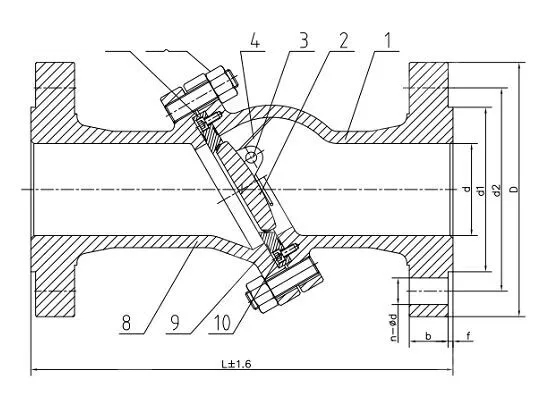
The tilting disc check valve has a pivot point at the center of the disc, designed to overcome the weaknesses of conventional swing check valves. Compared to swing type check valves:
Lower Flow Rates: The tilting disc valve remains fully open and steady at lower flow rates, requiring less fluid velocity and lower cracking pressure.
Pressure Drop: At low pressure, the tilting disc valve has a much lower pressure drop than swing type valves. However, at higher flow rates, it experiences a higher pressure drop.
Technical Specifications
» Nominal Diameter: NPS 2-24 Inch (DN50-DN600)
» Design Pressure: Class 150-2500 LB(PN10-PN420)
» Material: ASTM A216 WCB, WCC, A217 WC6, WC9, C5, C12A, A352 LCB, LCC, A351 CF8, CF8M, CF3, CF3M, CF8C
» End Connections: Butt Welded (BW), Flanged (RF, RTJ)
» Design and Manufacture: ASME B16.34
» Face to Face (End to End): ANSI B16.10
» Flanged Connection: ASME B16.5
» Butt Welded End: ANSI B16.25
» Test and Inspection: API 598
» Temperature Range: -29°C to 595°C
» Medium: Water, gas, oil, etc.
Product Features
» Smooth Closing: When closed, the valve contacts the sealing surface slowly, ensuring no impact or noise.
» Micro Elastic Metal Seats: Provides excellent sealing performance.
» Butterfly Disc Design: Allows for quick opening and closing, contributing to a long service life.
» Tilting Disc Structure: Creates a streamlined fluid passage with low flow resistance, resulting in improved energy-saving performance.